You’ve found a home you love, your offer was accepted, and now you’re staring at a line item in your budget that says “home inspection.” The question almost every buyer asks at this stage is simple: who actually pays for this?
It sounds like it should have a straightforward answer. It mostly does but the nuances matter, especially when you’re navigating a competitive market like Scottsdale or Paradise Valley, where deals move fast and the stakes are high. In luxury real estate, a home inspection isn’t just a formality. It’s one of the most important decisions you’ll make in the entire buying process.
Here’s everything you need to know about who pays for the home inspection, what it costs, and how to use the results to protect your investment.
Quick Answer: In almost every real estate transaction, the buyer pays for the home inspection. The fee ranges from $300 to $500 for a standard inspection, paid out of pocket directly to the inspector not rolled into closing costs or your mortgage. Sellers occasionally pay for a pre-listing inspection on their own initiative, and may sometimes offer inspection credits during negotiation. But the buyer’s inspection is the buyer’s cost.
The Short Answer: Who Typically Pays for the Home Inspection?
The buyer pays for the home inspection. This is the standard arrangement across virtually every U.S. real estate market, and the reason is straightforward: the inspection exists to protect the buyer.
When you hire a licensed home inspector, you’re paying for an objective, third-party evaluation of the property’s condition before you commit to one of the largest purchases of your life. The inspector works for you not the seller, not the listing agent, and not the bank. That independence is exactly why buyers pay the fee themselves. If the seller hired and paid for the inspector, the results might reasonably favor the seller’s interests. Buyers need an unbiased report.
A standard home inspection covers the major structural and mechanical systems of the property: foundation, roof, HVAC, plumbing, electrical, windows, doors, and more. The inspector compiles findings into a detailed report that gives you a clear picture of the home’s current condition and any issues that may require repair, replacement, or further investigation.
According to data from Zillow’s Consumer Housing Trends Report, 90% of home sellers have had at least one buyer complete an inspection on their property. This isn’t a step most buyers skip and for good reason.
What Does a Home Inspection Actually Cost?
Standard Home Inspection Costs
A standard home inspection typically costs between $300 and $500, though the actual price varies based on several factors: the size of the home, the property’s age, the inspector’s experience level, and your location.
In Arizona’s luxury markets including Scottsdale, Paradise Valley, and Arcadia where homes frequently exceed 4,000 square feet, inspection fees often run higher than the national average. Larger homes take longer to inspect, which directly affects the price. A 6,000-square-foot estate in Paradise Valley will cost considerably more to inspect than a 1,800-square-foot home in Phoenix.
The most current national averages put standard home inspection costs between $296 and $424, with a median around $343. Budget toward the higher end for larger, older, or more complex properties and plan for the possibility of specialty inspections on top of that.
Specialty Inspection Costs You Should Budget For
The standard inspection gives you a solid foundation, but it doesn’t cover everything. Specialty inspections are separate services, and they’re almost always paid by the buyer as well.
Common specialty inspections and their typical costs include:
- Radon inspection: $145 to $715
- Termite or pest inspection: approximately $100 (sometimes covered by the seller in certain states or as a negotiated item)
- Septic system inspection: $250 to $500
- Sewer scope: $100 to $300
- Pool and spa inspection: $100 to $300 (important in Scottsdale and Paradise Valley, where pools are standard)
- Mold inspection: $200 to $600
- Chimney inspection: $100 to $500
The need for specialty inspections is typically uncovered during the standard inspection. An inspector who spots signs of moisture intrusion may recommend a mold test. Evidence of pest activity triggers a pest inspection. In Arizona, pool and HVAC inspections carry particular weight summer temperatures make a functioning cooling system non-negotiable, and pools add significant complexity to the property’s mechanical picture.
When Does the Seller Pay for the Home Inspection?
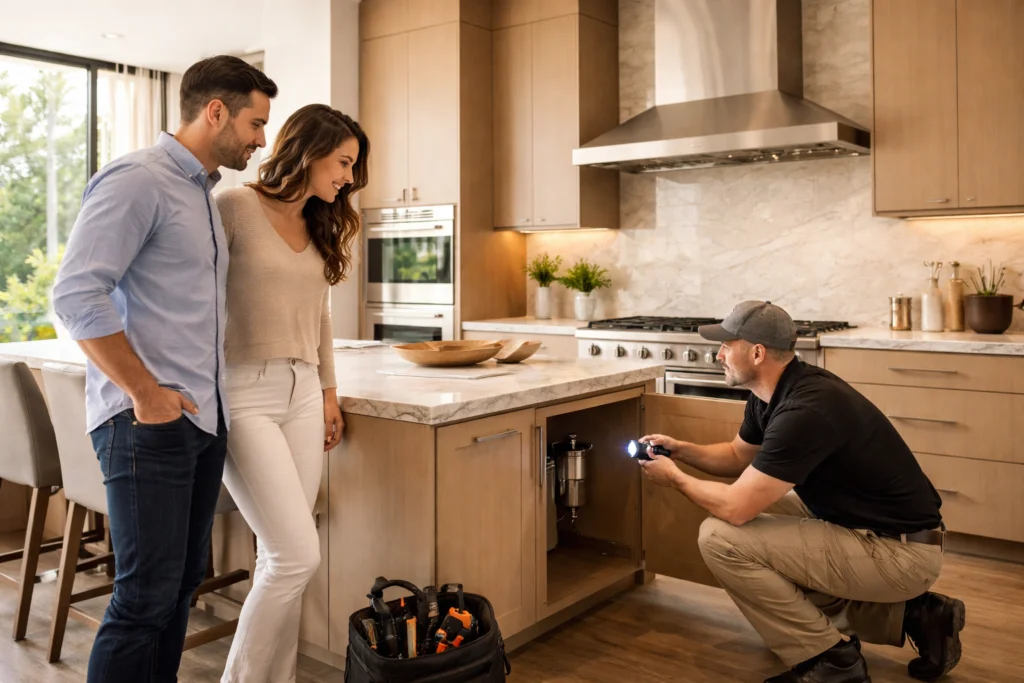
The seller is not required to pay for a buyer’s home inspection, and it rarely happens. But there are two specific scenarios where the seller does end up covering inspection costs one by choice, and one through negotiation.
Pre-Listing Inspections: What Sellers Pay For and Why
A pre-listing inspection is one that the seller orders before putting the home on the market. This is becoming a more common strategy, especially among motivated sellers who want to identify and resolve issues before a buyer’s inspector finds them and potentially uses them to renegotiate or walk away from the deal.
When a seller chooses a pre-listing inspection, they pay for it. The cost is similar to a buyer’s inspection: $300 to $500 for a standard property, more for larger homes. In return, sellers gain transparency about the home’s true condition, the ability to make repairs on their own timeline, a credible record to share with prospective buyers, and often a smoother, faster transaction.
A pre-listing inspection report, shared openly with buyers, signals transparency and builds trust. That trust can translate directly into stronger offers and fewer last-minute renegotiations after the buyer’s own inspection.
Seller Concessions and Inspection Cost Credits
In a buyer’s market or when a seller is highly motivated to close quickly sellers sometimes offer to cover the buyer’s inspection cost as a concession. This is not standard, and it is not common in competitive markets. But it does happen.
More frequently, sellers “pay” for the inspection indirectly by agreeing to repair credits or price reductions after the buyer’s inspection reveals issues. A seller who agrees to credit the buyer $8,000 at closing to replace an aging roof has effectively absorbed the cost of what the inspection uncovered. The distinction matters: the buyer still paid the $400 inspection fee, but the findings generated a much larger concession.
Market conditions determine how much leverage a buyer has here. In a seller’s market like the one that has defined much of the Greater Phoenix luxury market in recent years buyers have less room to push for concessions. In a buyer’s market, the negotiating power shifts significantly.
What Happens After the Home Inspection?
Negotiating Repairs After an Inspection
After you receive the inspection report, you typically have 5 to 10 business days (depending on your contract) to review findings along with other things to consider before buying a house that can impact your final decision.
You have four options when the inspection reveals problems:
- Ask the seller to make specific repairs before closing. This is common for significant defects a failed HVAC system, active water intrusion, or electrical safety issues.
- Request a price reduction to reflect the cost of repairs. Rather than having the seller manage repairs, you negotiate a lower purchase price and handle the work yourself after closing.
- Request a closing cost credit. The seller agrees to credit you a set dollar amount at closing, which you can apply toward repairs.
- Walk away from the deal. If you included an inspection contingency in your offer, you can exit the contract and recover your earnest money if the inspection reveals problems you’re not willing to accept.
A skilled real estate agent makes a measurable difference in which of these outcomes you achieve. Negotiating repair requests requires market knowledge, relationship management with the listing agent, and clear documentation of costs. This isn’t the place to go it alone.
Should You Walk Away If the Inspection Reveals Problems?
Not necessarily. Problems revealed during a home inspection don’t automatically mean the deal is dead they mean you have information that you didn’t have before the offer was accepted.
Minor issues are expected in virtually every property. The inspection gives you a prioritized list of what needs attention, when, and at what estimated cost. The question to ask isn’t “is there anything wrong with this home?” — there almost always is something. The better question is: “Are these issues I can address within my budget, or do they change the fundamental value of this property?”
If you’re looking at a $150,000 foundation repair or structural issues that a seller refuses to negotiate on, walking away may be the right call. If you’re looking at a list of deferred maintenance items that total $8,000 and the seller agrees to a price reduction, you may still be in a strong position.
Do You Need a Home Inspection Contingency in Your Offer?
A home inspection contingency is a clause in your purchase contract that gives you the right to have the home inspected and, if the results are unsatisfactory, to renegotiate or exit the deal without losing your earnest money.
A home inspection is not legally required when buying a house in most states, including Arizona but understanding when buying a home who pays for the appraisal is just as important during the process. Also skipping the inspection or waiving the contingency carries real financial risk. Buyers who skip an inspection to make their offer more competitive may later discover issues that cost tens of thousands of dollars to fix, with no legal recourse against the seller.
According to a 2022 Zillow survey, 78% of successful buyers included a home inspection contingency in their offers. The contingency doesn’t just protect you from costly surprises it gives you a defined window to conduct due diligence after an accepted offer, which is often your last chance to get an objective look at the property before closing.
In competitive markets, some buyers waive the contingency as a strategy to win a bidding war. This is a decision that should be made carefully, with full awareness of the risks, and ideally with your real estate agent’s explicit guidance on whether the risk is proportionate to the reward in a specific situation.
Luxury Home Inspections in Scottsdale and Paradise Valley: What to Expect
Luxury home inspections in Scottsdale, Paradise Valley, and Arcadia come with a higher degree of complexity and a correspondingly larger scope. Estates in these markets commonly include features that a standard inspection doesn’t fully address: resort-style pools, outdoor kitchens, smart home automation systems, guest casitas, multiple HVAC zones, and in some cases, wine cellars or home theaters.
For a luxury buyer, a standard inspection is a starting point, not a finish line. You should also plan for:
- A dedicated pool and spa inspection to evaluate equipment, plumbing, and structural integrity
- An HVAC inspection that goes beyond a general system check in Arizona, cooling systems work harder than anywhere else in the country, and a unit that functions adequately in spring may struggle during a Phoenix summer
- A roof inspection, particularly for flat or low-slope roofs common in contemporary desert architecture
- A structural inspection for hillside or sloped-lot properties in Paradise Valley
The cost of a full suite of inspections for a luxury property in Greater Phoenix can run $800 to $1,500 or more when specialty services are factored in. This is still a fraction of 1% of the purchase price on a $3M home and a sound investment given what’s at stake.
Working with a real estate agent who understands the inspection process in this specific market helps you prioritize the right inspections for the right property type, and negotiate effectively when findings arise.
FAQ: Home Inspection Costs and Responsibilities
Who pays for the home inspection when buying a house?
The buyer pays for the home inspection in nearly every real estate transaction. The fee is paid directly to the licensed inspector, typically at the time of the inspection, and is not rolled into closing costs or the mortgage. The cost ranges from $300 to $500 for a standard home inspection, more for larger or more complex properties.
Can the seller pay for the home inspection?
Yes, but it’s not common in a buyer’s inspection. Sellers pay for a pre-listing inspection when they choose to have their home inspected before listing it for sale. In some negotiation scenarios, sellers may also offer to cover the buyer’s inspection cost as a concession, though this is rare in competitive markets.
Is a home inspection required to buy a house?
No, a home inspection is not legally required in most states, including Arizona. However, it is strongly recommended. Skipping an inspection means accepting the property without objective knowledge of its condition, which can expose you to costly repair bills after closing. Some lenders also require inspections before approving financing.
What happens if a home inspection reveals major problems?
If significant problems are found, you typically have the right to request repairs, negotiate a price reduction, ask for a closing credit, or walk away from the deal assuming your contract includes an inspection contingency. The specific options and timeline depend on your purchase agreement, so review it carefully with your agent.
Who owns the home inspection report?
The buyer owns the inspection report because the buyer paid for it. The seller has no legal right to the report unless the buyer chooses to share it. This is another reason why buyers not sellers should always hire and pay for the inspector directly.
How long does a home inspection take?
A standard home inspection takes 2 to 4 hours, depending on the size and age of the property. Larger luxury homes with complex systems can take 4 to 6 hours. Plan to attend the inspection if at all possible walking through with the inspector in real time gives you far more context than reading the written report alone.
What’s the difference between a standard and specialty home inspection?
A standard inspection covers the home’s major systems and structure: foundation, roof, HVAC, plumbing, electrical, and more. Specialty inspections address specific concerns not covered in the standard report radon, mold, pests, septic systems, pools, and so on. Specialty inspections are typically ordered after the standard inspection reveals a potential concern in that area, and they are almost always the buyer’s responsibility to pay for.
Should you skip the home inspection to win a bidding war?
This is a strategy some buyers use in highly competitive markets, but it carries significant financial risk. If you waive the inspection contingency and later discover serious defects, you have limited legal recourse and may face repair costs that dwarf the inspection fee. Discuss this option carefully with your agent before removing the contingency from any offer.
The Bottom Line
The buyer pays for the home inspection. That’s the rule in nearly every transaction, in every market, at every price point. What varies is what happens after the inspection and how effectively you use the findings to protect your investment.
In a market like Scottsdale or Paradise Valley, where homes change hands at prices that start in the millions, every dollar of due diligence is worth it. A $400 inspection fee that surfaces a $25,000 HVAC problem isn’t a cost it’s one of the best returns you’ll see in the entire transaction.
If you’re preparing to buy a luxury home in the Greater Phoenix area and want guidance on navigating the inspection process from an agent who has closed hundreds of millions in local transactions, reach out to Kelly Jones for a personalized consultation. Explore Kelly’s current featured listings in Scottsdale, Paradise Valley, Phoenix, and Arcadia and see firsthand what exceptional due diligence looks like in Arizona’s luxury market.